One Engine. Many Vessels.
The MobilALLY Cryptographic Module is one hardware integrity engine, delivered in the form factor each operational venue demands. The vessel changes; the floor does not.
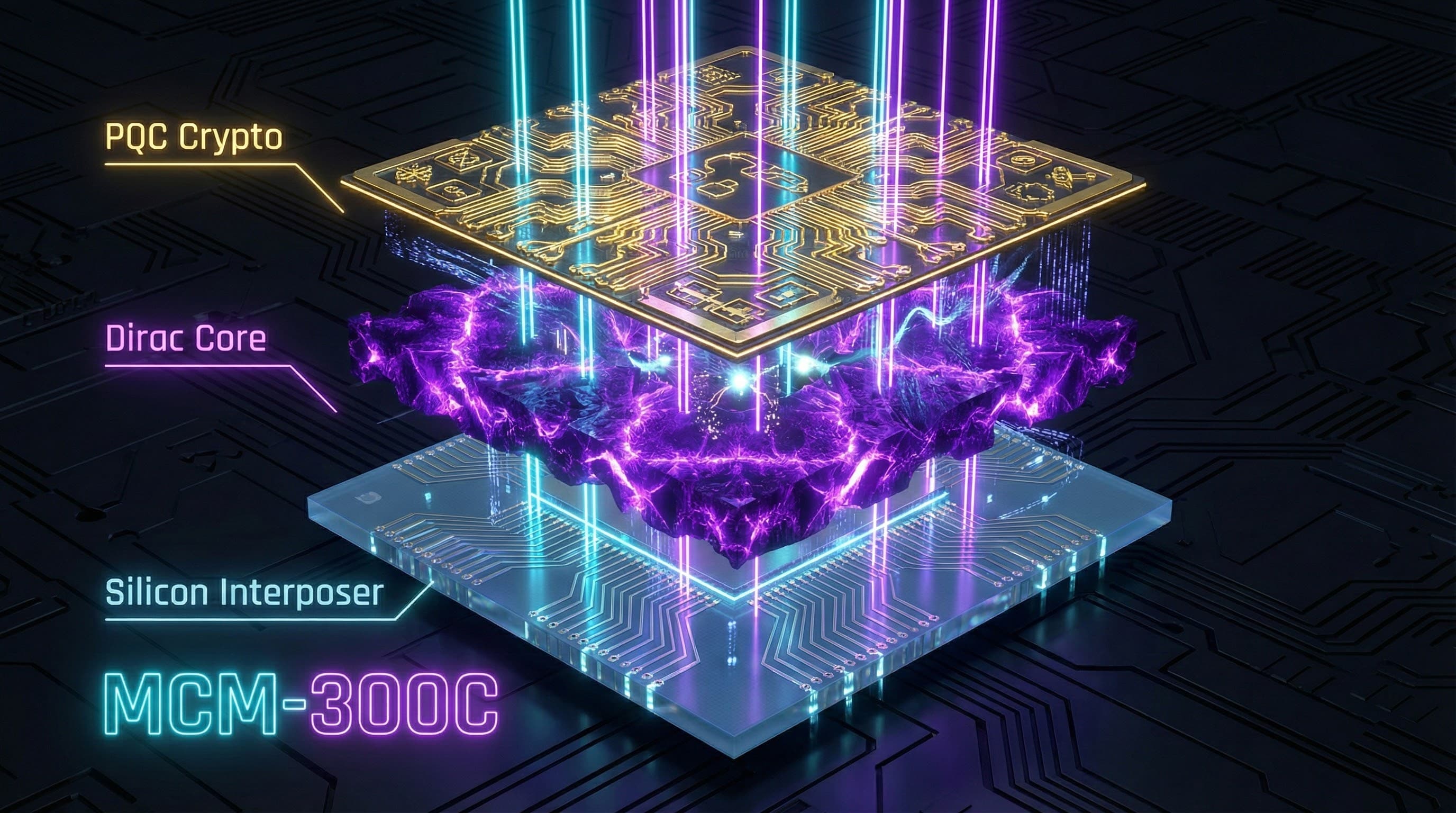
The Integrity Engine
Every form factor carries the same patent-pending three-domain architecture: an untrusted host interface, a reconfigurable hardware enforcement layer, and a hardened security module where keys live and die without ever touching software.
MCM microSD
The integrity engine in its smallest fielded form.
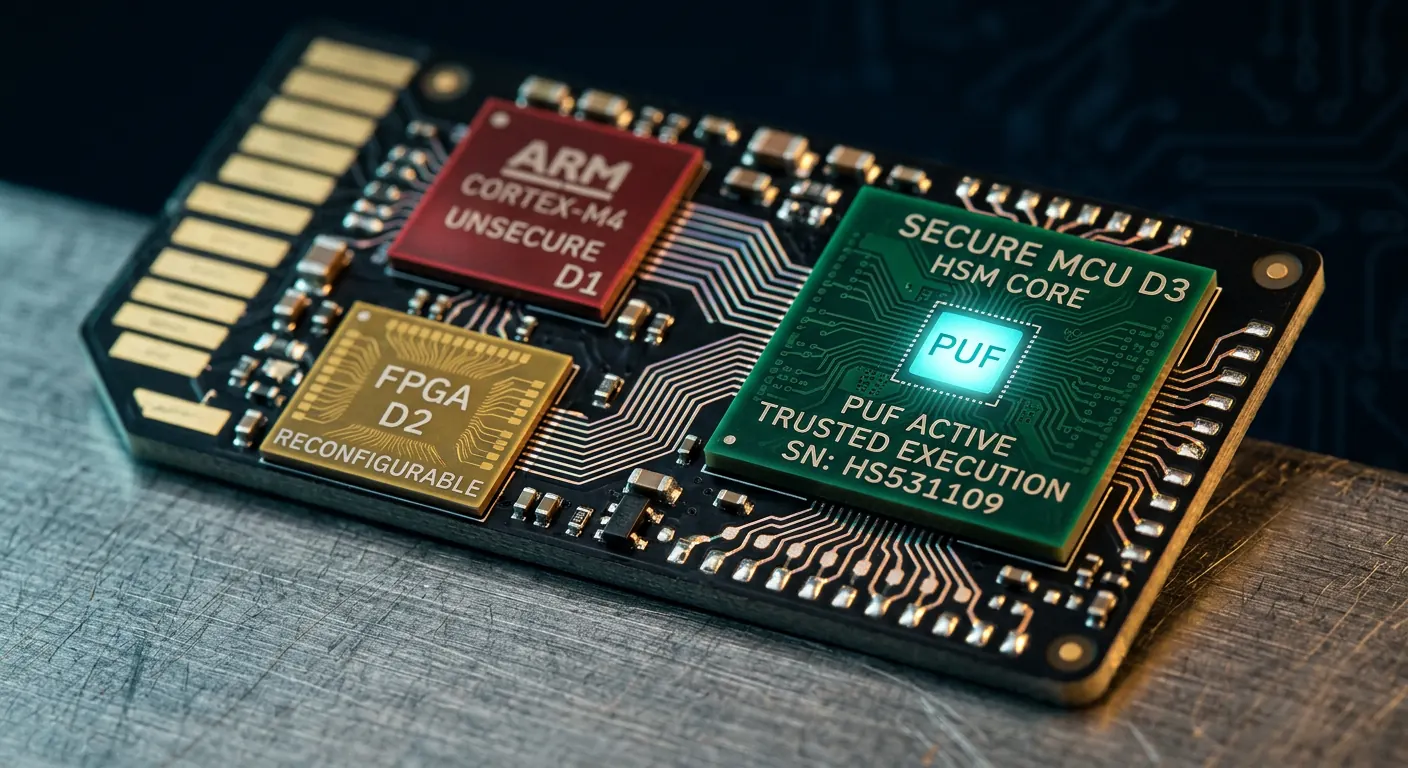
The flagship form factor: a complete three-domain hardware security module in a microSD footprint. Slot it into drones, radios, handhelds, and edge sensors — post-quantum key operations and device identity, fully isolated from the host.
MCM USB-C
Workforce integrity that travels.
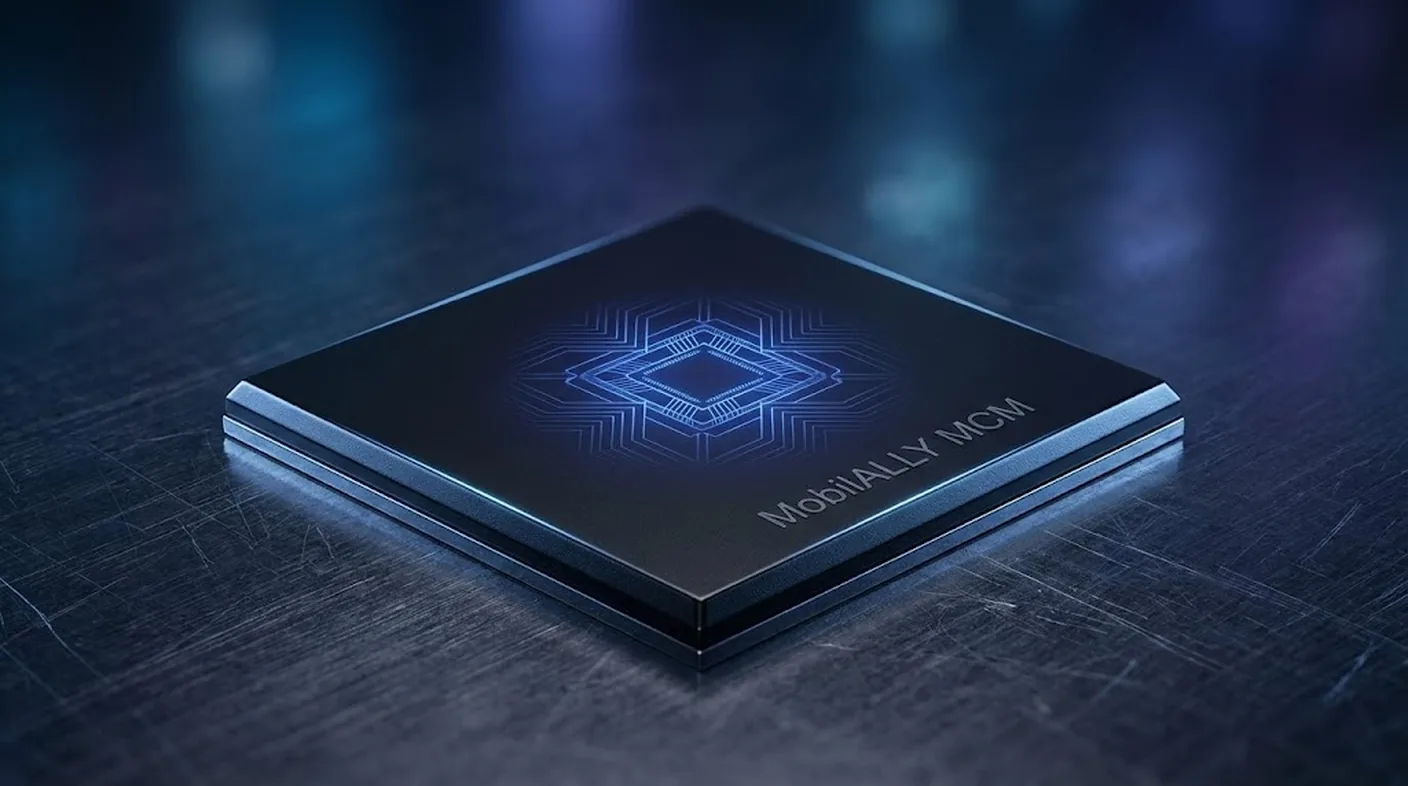
Post-quantum authentication, hardware-encrypted storage, and hardware-isolated keys for laptops, workstations, and field kits — the integrity engine in a pocketable USB-C module.
MCM Drive Fob
Your vehicle's data, on your terms.
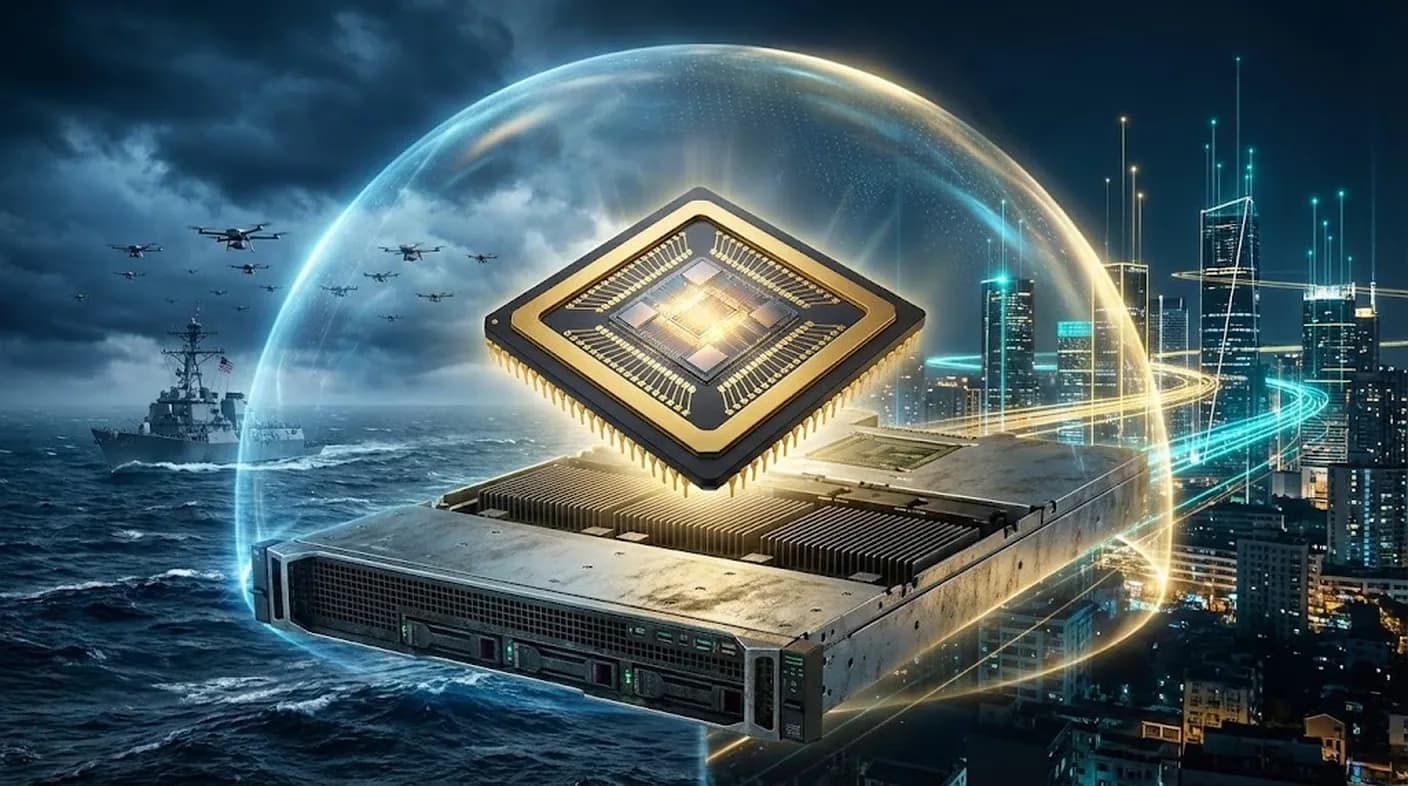
A vehicle-bus security module in a plug-in fob. Inspects phone-to-infotainment traffic, detects anomalous vehicle-bus activity, and strips personal data from outbound telematics — control over what leaves the vehicle, with zero modification to it.
MCM PCIe / M.2
The floor under your infrastructure.
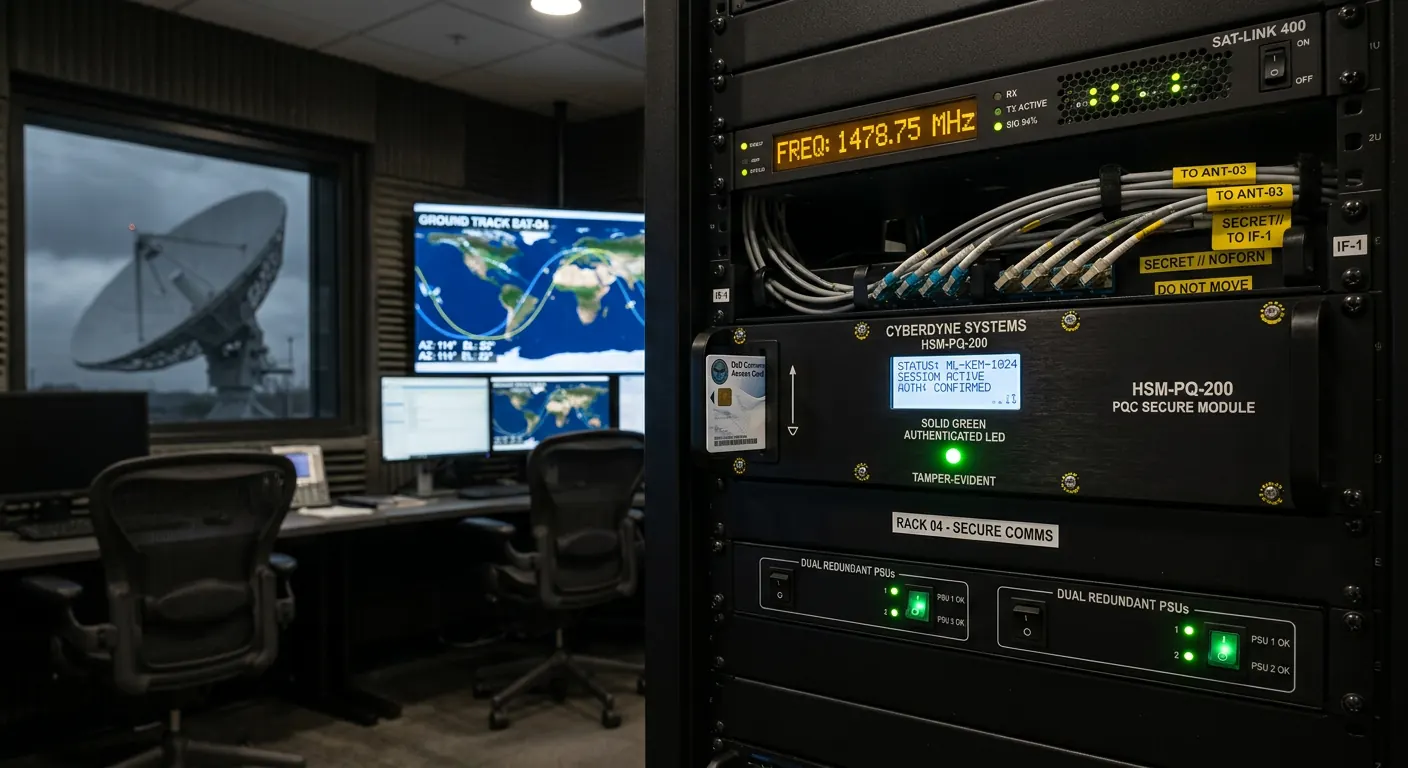
Server, gateway, and ground-station form factor. Hardware root of trust for racks, SATCOM terminals, and control planes — the same engine, scaled to infrastructure.
MCM Embedded
Integrity at the point of actuation.
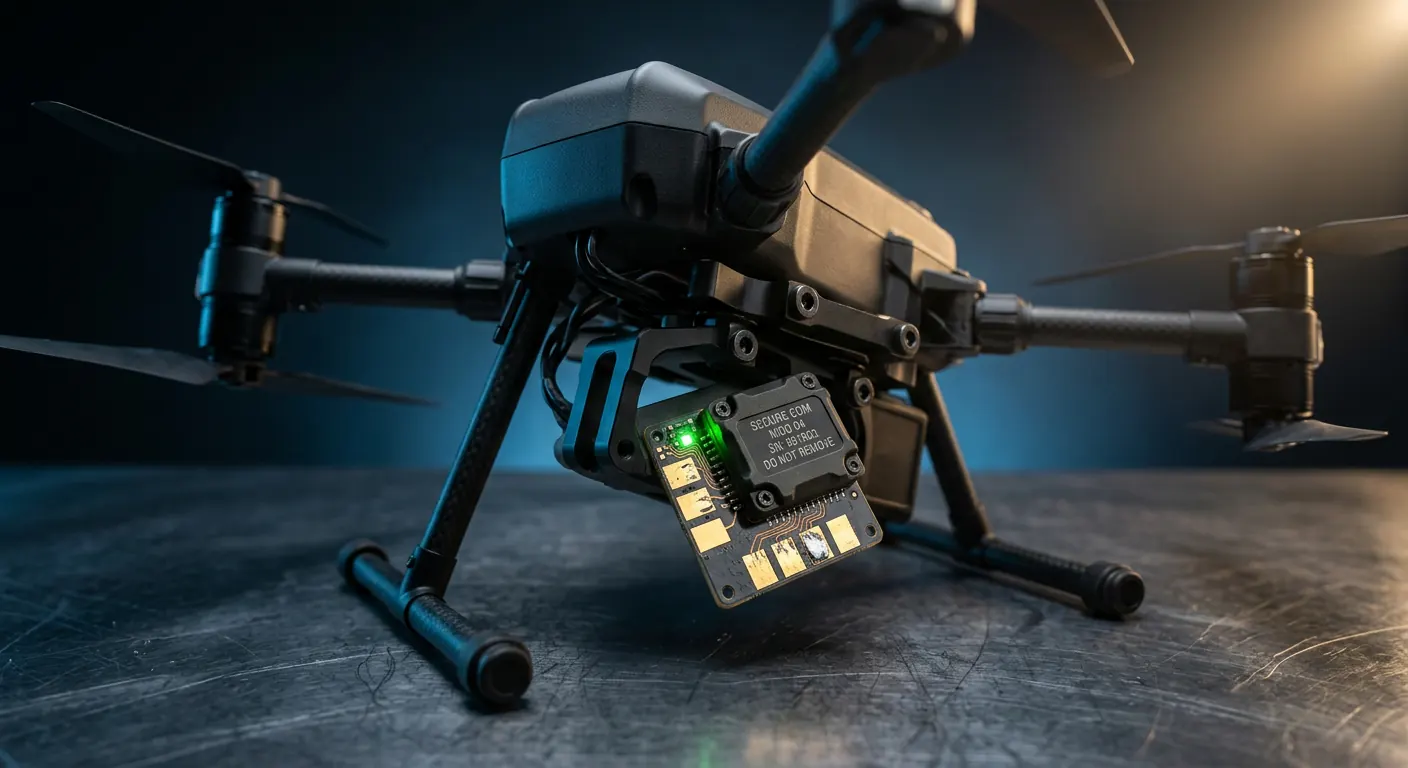
Board-level module for drones, vehicles, robotics, and industrial control. Commands verified and telemetry sealed in silicon — on the platform, before anything moves.
MCM Ring & Ring-T
Identity you wear. Down to a ring.
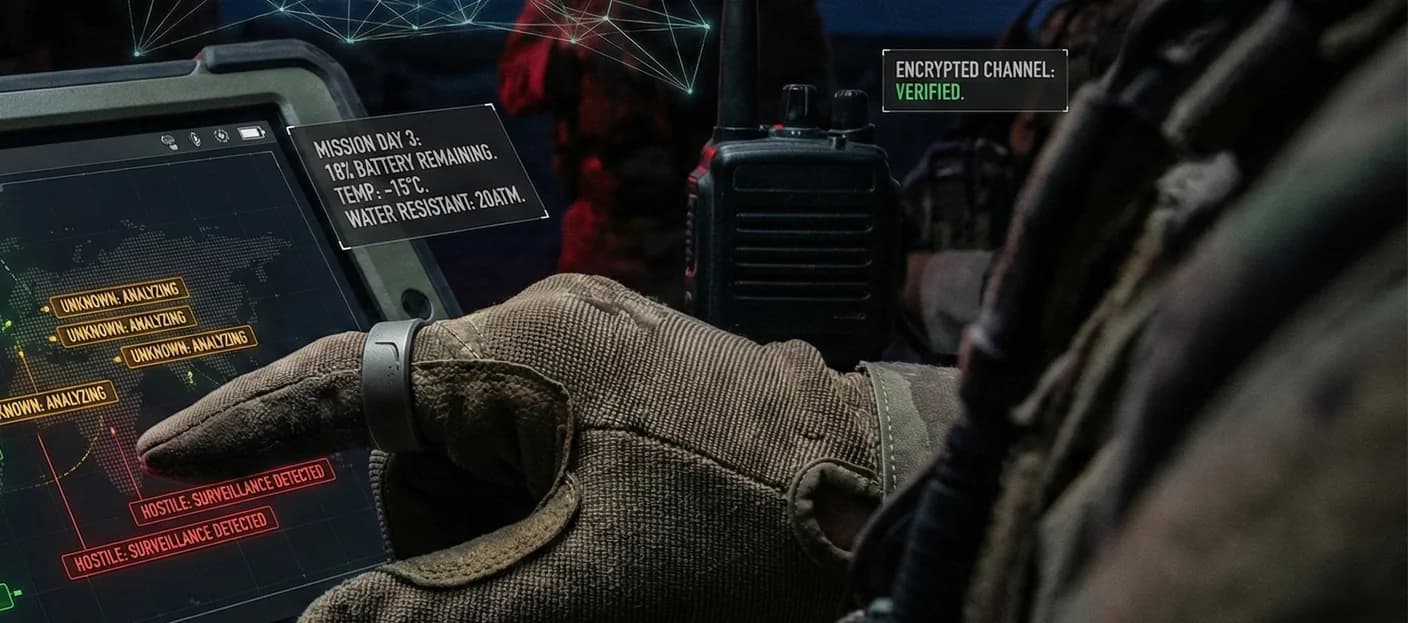
Presence-based, post-quantum identity in a ring. MCM Ring secures daily life — devices unlock when you arrive and lock when you walk away. MCM Ring-T hardens the same engine for the field: MIL-STD-810H, 20ATM, −40°C to +85°C.
The Vulnerability
Software encryption has a critical weakness: Keys live in device memory. A compromised device means compromised keys. Nation-states are already harvesting encrypted traffic for future quantum decryption.
- Zero-days and forensic tools extract keys from software.
- Harvest-now, decrypt-later attacks are active today.
- Post-quantum algorithms offer zero protection if keys are stolen.
P(key_compromise) = P(host_compromise)
The MCM Solution
Three physically distinct security domains. The host is explicitly untrusted. Keys never leave the secure element.
- Domain 1 (Host): Untrusted Platform
- Domain 2 (Hardware Gate): FPGA Protocol Die
- Domain 3 (HSM): MEC175xB Secure Element
P(key_compromise) = P(host) × P(hw_gate) × P(HSM) ≈ 10⁻¹⁵
Why We Are Different
Software PQC
(liboqs, wolfSSL)Traditional HSMs
(Thales, AWS, YubiHSM)Foreign Silicon
(ESP32-based solutions)MCM Roadmap & Generations
MCM-100 [Consumer]
USB-C form factor, consumer line
MCM-200 [Enterprise]
SD card form factor, data center integration
MCM-300 [Defense]
Tactical hardening, extended temperature range
MCM-300C [Space]
Dirac topological protection, radiation hardened
MCM-400 [Counter-AAI]
RF Signal DNA, Threat Intelligence Module